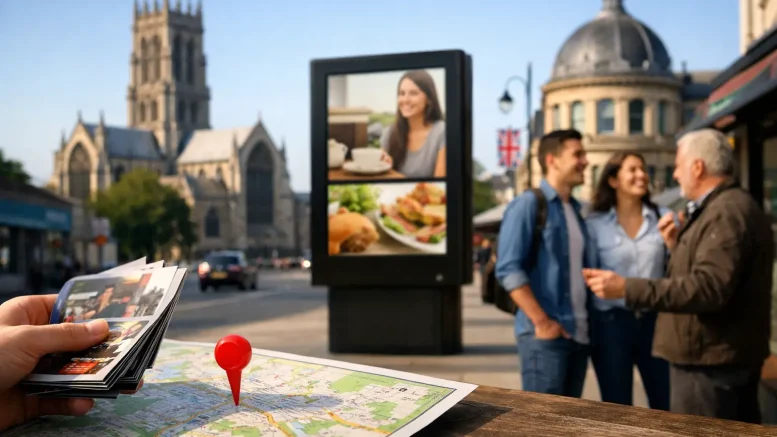
A family looking for a Sunday lunch, a homeowner needing a reliable plumber and a visitor planning a day out may all be searching for different things, but they have one thing in common: they want a trusted local answer quickly. For any business working out how to advertise locally, Doncaster offers a valuable opportunity to appear at the exact point people are ready to choose, book, visit or enquire.
Local advertising is not simply about putting your name in front of the largest possible audience. It is about being visible to the right people in Doncaster and the surrounding area, with a message that makes it easy for them to take the next step. Whether you run a café, salon, independent shop, estate agency, trades business, attraction or event venue, a focused local approach can deliver far more useful attention than broad advertising with no local relevance.
Start with the local customer you want to reach
Before choosing an advert, get clear about who you want through the door, on the phone or visiting your website. A Doncaster gym might want to reach residents within a short drive of its site. A wedding supplier may need couples planning months ahead. A restaurant could benefit from attracting families, office workers and people looking for somewhere special at the weekend.
This matters because the best advertising channel depends on the decision you are trying to influence. A time-sensitive offer, such as half-term activities or a one-night event, needs immediate visibility. A bathroom fitter or financial adviser may need repeated exposure over time, because customers will research carefully before making contact.
Think about the practical details your customers need. Include the area you serve, what makes you different, how to contact you and, where useful, opening times, prices or availability. Vague messages such as “quality service” rarely persuade anyone on their own. “Family-run electrician covering Doncaster with evening appointments available” is clearer, more memorable and more useful.
Build a local presence people can find
When someone searches for a local business, they are usually comparing options rather than browsing casually. Your business information should therefore be accurate wherever local people might encounter it. Check that your name, telephone number, address, opening hours and services are consistent, particularly if you have moved, changed your hours or introduced a new offer.
Photographs matter too. People want to see the food, the venue, the team, the completed work or the experience they can expect. A handful of current, well-lit images often does more than a large block of promotional copy. For hospitality, leisure and beauty businesses, show the atmosphere. For trades and property services, show genuine examples of your work and make the next action clear.
Customer reviews can strengthen this local confidence, but only when handled properly. Encourage genuine customers to leave feedback after a positive experience and respond politely to concerns. A measured reply to a less-than-perfect review can reassure potential customers that you take service seriously.
Choose advertising channels that suit Doncaster
The strongest local campaigns often use a mix of channels, but there is no need to spread your budget across everything at once. Start where your likely customers already look and give each activity enough time to work.
A local directory or destination platform can be particularly effective for businesses that benefit from being discovered alongside useful local information. Visitors may be looking for accommodation, places to eat, attractions and shopping. Residents might be seeking a trusted beauty therapist, tradesperson, fitness class, solicitor or estate agent. A well-presented listing puts your business in a relevant local context rather than asking people to find you from scratch.
What’s On In Doncaster gives businesses the chance to appear within a wider guide to the town, helping people who are actively looking for things to do, places to go and services they need. For a local company, this kind of visibility can support both immediate enquiries and longer-term recognition.
Social media is useful when it adds something timely or visual. A pub can share its weekend menu, a retailer can promote a new arrival and an event organiser can build excitement as a date approaches. The trade-off is that social posts move quickly. A good post may create a burst of interest, but it is not a replacement for information people can reliably find later.
Print advertising, community noticeboards, local sponsorships and leaflet drops can still have a place, especially when your customers are concentrated in a particular neighbourhood or attend a specific event. They work best with a simple offer and a clear way to respond. If you cannot tell whether an advert generated calls, visits or bookings, it is harder to decide whether to repeat it.
Make your message useful, not just visible
Local people are busy. They do not need a clever slogan if they cannot quickly understand what you offer. Lead with the service, product or experience, then add the reason to choose you.
For example, a general message such as “Visit our salon today” could become “Relaxed beauty treatments in central Doncaster, with late appointments on Thursdays.” The second version helps a person decide whether the business fits their needs. It provides location, category and a practical benefit without overloading the advert.
Seasonality gives you another reason to refresh your message. Doncaster businesses can align advertising with school holidays, Christmas shopping, Mother’s Day, summer days out, wedding season, student arrivals or major local events. Do not force a seasonal angle where it does not fit, but do consider what customers are likely to need at that time of year.
Offers can be effective, although discounting is not always the answer. A limited-time package, free consultation, priority booking, tasting evening or added-value service may protect your margins better than cutting prices. The aim is to give people a reason to act now while still reflecting the value of your business.
Keep the call to action simple
Every advert should encourage one clear action: call, book, visit, request a quote, view the menu or reserve a place. Trying to ask people to do five things at once can result in them doing none of them.
Make it easy to respond on a mobile phone. Short contact details, clear opening hours and straightforward booking instructions remove friction. If your campaign promotes an event, include the date, time, venue and the key reason to attend. These details may sound obvious, but they are often the difference between interest and a confirmed visit.
Use a realistic budget and measure what happens
You do not need a huge budget to advertise successfully in Doncaster. A smaller, consistent presence in the right places can be more productive than one expensive burst that disappears before anyone remembers it. Decide what one new customer or booking is worth to your business, then use that figure to judge whether a campaign is working.
Ask every new customer how they heard about you. Keep a simple record of calls, quote requests, bookings, voucher redemptions and in-store visits. If possible, use a distinct offer code or dedicated campaign message for each advertising activity. This gives you more than a guess when it is time to renew, change or stop an advert.
Be patient with campaigns designed to build awareness. Someone may see your name several times before they need your service. However, if an advert has had a fair run and produces no meaningful response, review the audience, wording, offer and placement. It may be the wrong channel, or it may simply need a clearer message.
Become part of the local conversation
The businesses people remember are often the ones that show up beyond a single advert. Supporting a school fair, collaborating with nearby businesses, hosting a workshop or contributing to a community event can make your name familiar in a positive way. These activities should feel genuine rather than purely promotional.
Partnerships are especially useful when the audiences naturally overlap. A hotel can work with local attractions, a florist with wedding venues, or a café with nearby independent shops. Joint promotions introduce each business to relevant new customers and make the offer feel more connected to Doncaster itself.
Local advertising works best when it reflects what people value: convenience, trust, good service and a sense that the business understands the area. Be easy to find, be specific about what you offer and keep showing up where local people are making decisions. The next customer may not need you today, but a useful, familiar message means they are more likely to remember you when they do.