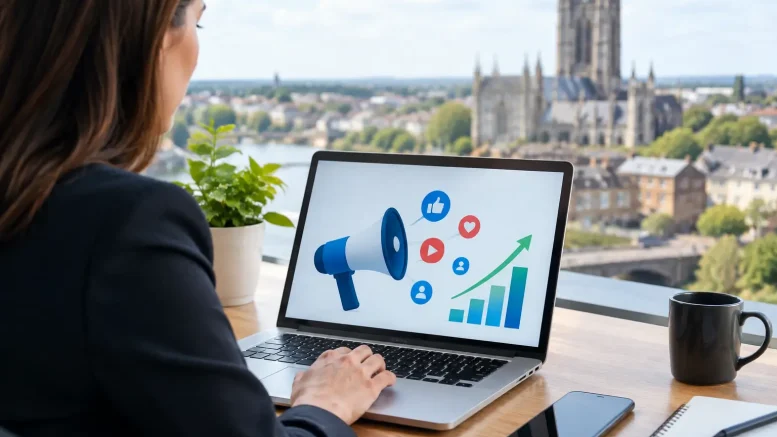
A family deciding where to eat before a show, a visitor looking for somewhere to stay, and a homeowner searching for a reliable local service may all begin in the same place: their phone. That is why Doncaster digital advertising trends matter to businesses of every size. The most effective local campaigns are no longer simply about being seen. They help people find the right business at the moment they are ready to visit, book, enquire or buy.
For Doncaster businesses, the opportunity is refreshingly practical. A well-timed promotion can fill tables on a quieter evening, bring more people to an event, introduce a new beauty treatment, or put a trusted tradesperson in front of a nearby customer. The strongest advertising feels useful, local and easy to act on.
Doncaster digital advertising trends shaping local reach
The shift is towards relevance rather than reach for its own sake. A large audience has little value if it is made up of people who cannot visit, do not need the service, or are unlikely to take the next step. Local firms are increasingly focusing on campaigns that speak to residents, day-trippers, students, families and visitors already interested in what Doncaster has to offer.
This is good news for independent businesses. You do not need the budget of a national brand to make an impression. You do need a clear offer, accurate information and visibility in the places where people are actively making plans.
Search remains the high-intent channel
When someone searches for a restaurant near Doncaster town centre, family activities for the weekend, a local estate agent or a wedding venue, they are often much closer to making a decision than someone casually scrolling social media. Search advertising and well-managed local listings therefore remain valuable for businesses that solve an immediate need.
The detail matters. Opening times, prices or price guidance, parking information, accessibility, photographs, contact details and a clear description of what makes the business different all reduce hesitation. A customer should not have to hunt for the basics before deciding whether to get in touch.
Search works particularly well for services with clear demand, such as accommodation, home improvements, beauty appointments, fitness, legal support and property. It can be less effective for an experience people did not know they wanted. A new bar night, live event or independent shop may need social content and local editorial exposure to create that initial spark.
Short video is becoming the local shop window
Short, vertical videos are now one of the quickest ways to show the atmosphere behind a business. For a restaurant, that might be a dish being prepared, the dining room before service or a glimpse of a seasonal menu. For an attraction, it could be a child-friendly activity, a behind-the-scenes moment or a clear view of what visitors can expect on arrival.
The aim is not polished television-style production. In fact, overly formal footage can feel less believable than a bright, well-framed clip made by someone who knows the business. Show real people, real spaces and real reasons to visit.
Keep the message focused. One video should answer one question: what is on this weekend, what does the experience look like, why should a customer book now, or what is new? Captions are worth including, as many viewers watch with the sound off while travelling, at work or at home.
Social advertising is becoming more targeted
Organic social posts still have a role in keeping regular customers informed, but unpaid reach can be unpredictable. Paid social advertising gives local businesses more control over who sees a promotion and when. A café can promote a half-term offer to local parents. A venue can reach people interested in live music or dining out. A letting agent can put a new property message in front of people within a relevant area.
That does not mean every campaign should be tightly restricted. Doncaster attracts visitors from across South Yorkshire and beyond, particularly for events, shopping, sport and short breaks. The sensible radius depends on the offer. A neighbourhood hair salon may want to focus close to home, while a hotel, wedding supplier or major attraction could benefit from a wider audience.
The creative should match the audience. Residents may respond to convenience, value and familiarity. Visitors need practical reassurance about location, travel, facilities and nearby things to do. Families are likely to appreciate clarity around timings, age suitability and cost. Advertising becomes more effective when it respects these different needs rather than treating everyone as one generic customer.
Event-led campaigns create urgency
Doncaster has a busy calendar of markets, performances, seasonal activities, sporting occasions and community events. This creates useful advertising moments for hospitality, retail, accommodation and local services. People planning a day out are open to suggestions, but timing is crucial.
Start promoting early enough for customers to make arrangements, then increase activity as the date gets closer. A restaurant can encourage pre-event bookings, a hotel can highlight convenient stays, and a retailer can offer event-day inspiration. After the event, retargeting or follow-up posts can keep the relationship going by inviting people back for another reason.
Avoid vague messages such as “visit us soon”. A specific date, limited menu, booking window, family activity or event partnership gives people a reason to act. The promise must be genuine, though. Artificial urgency can damage trust quickly in a town where word of mouth still carries real weight.
Trusted local placements matter more than noise
People are cautious about unfamiliar businesses, particularly where money, time or family plans are involved. Being visible in a trusted local guide, directory or relevant category can help bridge the gap between discovery and confidence. It places a business alongside the practical information people are already seeking, whether that is accommodation, restaurants, attractions, health and beauty, property or local services.
For advertisers, this is a reminder not to rely on a single channel. A paid social campaign may create awareness, while a detailed local listing answers questions and supports a later decision. A feature about an event can inspire a visit, while search visibility captures people who return to look for details. These channels work better together than in isolation.
What’s On In Doncaster offers businesses a useful place to be found by people already exploring the area and looking for reliable local options. The best results come when a listing or advertising placement is kept current and supported by clear, welcoming information.
First-party data deserves careful attention
As online privacy rules evolve, businesses have less certainty about tracking people across the web. This makes information willingly shared by customers more useful, such as email sign-ups, booking enquiries, loyalty details and event registrations. The goal is not to collect data for its own sake. It is to build permission-based contact with people who genuinely want to hear from you.
A monthly email with upcoming events, seasonal offers or useful local advice can be highly effective when it is relevant. A hotel might share stay packages around major dates. A restaurant could announce menus and availability. A service business might send timely reminders that solve a recurring problem. Always make it simple for people to choose what they receive and to opt out.
Measure actions, not just attention
Likes and video views can be encouraging, but they do not automatically mean a campaign is working. Local businesses should decide what success looks like before spending money. It might be table bookings, phone calls, directions requests, form enquiries, ticket sales, voucher redemptions or visits to a particular page.
Track the source where possible, then compare results with the value of each new customer. A campaign that produces fewer enquiries may still be stronger if those enquiries turn into higher-value bookings. Equally, a promotion that attracts plenty of attention but only bargain hunters may not suit a premium service.
Testing small changes is often more useful than replacing an entire campaign. Try a different image, a clearer call to action, a new audience area or an alternative offer. Give each test enough time to produce meaningful results, especially for services where customers take longer to decide.
Keep the local message honest and useful
The most durable trend is simple: people respond to businesses that make local life easier, more enjoyable or more memorable. Do not chase every new platform because it is fashionable. A tradesperson may get better results from strong search visibility and reviews than daily video posts. A venue with a changing programme may need lively social advertising and event listings. It depends on the customer journey, the offer and the capacity to respond promptly.
Start with the questions your customers ask most often, then make those answers visible wherever they are likely to look. When your advertising reflects the real experience you provide, it has a far better chance of turning a passing search or scroll into a welcome visit.