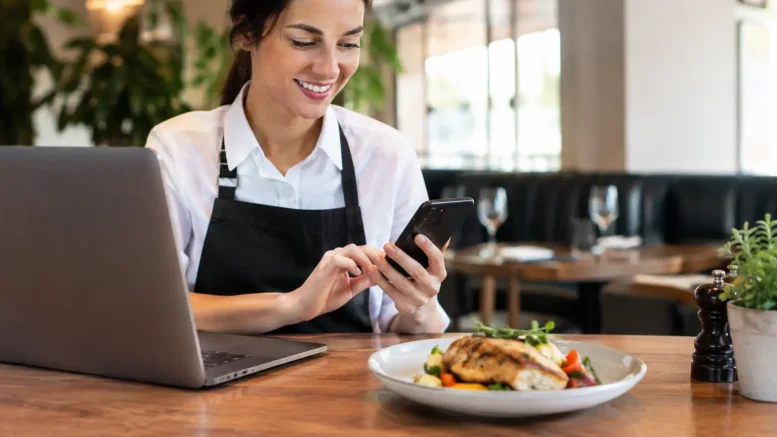
A restaurant can serve excellent food every night and still face empty tables at 7pm. This Doncaster restaurant marketing case study looks at a realistic local scenario: an independent venue with a loyal core of regulars, strong reviews and a good town-centre location, but inconsistent weekday trade. The lesson is not that one advert fixes everything. It is that clear local visibility, timely reasons to visit and a simple booking journey can work together.
For the purpose of this example, we will call the business The Riverside Table. It is a relaxed, mid-priced restaurant serving modern British dishes, sharing plates and Sunday lunch. Its audience includes couples planning a meal out, families looking for a reliable weekend table, friends meeting before an event and workers seeking a convenient lunch or early evening meal.
The challenge: good food was not enough
The Riverside Table was well regarded by the people who had already visited. The problem was reaching the people deciding where to eat that same week. Friday and Saturday bookings were healthy, but Tuesday to Thursday could be quiet, particularly outside the busy Christmas and summer periods.
Its online presence also gave potential diners too much work to do. The menu was available, but not always easy to find. Opening hours varied around bank holidays without being clearly updated. Posts on social media showed attractive dishes, yet rarely stated whether tables were available, what time the kitchen closed or how to book.
This is a familiar issue for independent restaurants. Residents may know a venue exists, but visitors and newer residents often make decisions through local searches, destination guides, event listings and recommendations from friends. If a restaurant does not appear at the point of planning, it can be overlooked in favour of a place that simply feels easier to choose.
The Doncaster restaurant marketing case study approach
The marketing plan focused on one practical aim: make The Riverside Table an obvious option for more local occasions. Rather than promoting the restaurant as suitable for everyone at every time, the campaign gave people specific reasons to visit.
The venue refreshed its local business information first. Its description explained the style of food, typical price point, location and the kinds of visits it suited. High-quality photographs showed the dining room as well as dishes, helping customers picture a date night, family meal or catch-up with friends. Current opening times, dietary options, parking guidance and booking details removed avoidable uncertainty.
A prominent local dining listing was used alongside the restaurant’s own channels. For a place-based platform such as What’s On In Doncaster, this is valuable because people are already browsing for restaurants, ideas for a day out and nearby activities. The restaurant was not relying on people to remember its name. It was placing itself in front of people actively deciding what to do.
Creating occasions, not just posts
The biggest change was the move from general food photography to occasion-led promotion. A picture of a steak may earn attention, but a clear offer tied to a moment gives customers a reason to act.
The Riverside Table built a modest calendar around its quieter periods. Wednesday became Steak and Wine Night, with a fixed-price option that was easy to understand. Thursday featured a rotating small-plates menu aimed at friends sharing food after work. On selected Sundays, the restaurant promoted a family lunch booking window, making clear that children were welcome and that early sittings were available.
Each promotion had a limited run, a straightforward price or format, and a clear booking instruction. This mattered. Vague messages such as “come and try our new menu” can work for existing fans, but they leave busy customers without an immediate reason to change plans. A defined evening gives the decision a shape.
The team also looked at Doncaster’s events calendar. When a major show, match or family event was expected to bring people into town, the restaurant scheduled relevant posts and ensured staff were ready to answer questions about timings. Pre-event dining can be particularly effective, but only where the kitchen can genuinely serve people in time. Promising a quick meal and then keeping guests waiting creates the wrong kind of word of mouth.
Making booking feel effortless
Marketing can generate interest, but the booking process turns that interest into revenue. The Riverside Table simplified its calls to action across its listing, social posts and promotional material. Every message pointed diners towards one dependable route to reserve a table or make an enquiry.
The restaurant also introduced clear guidance for walk-ins. Instead of a generic “walk-ins welcome”, it explained the times when walk-ins were most likely to be accommodated. This was a small change, but it helped manage expectations and encouraged guests to consider earlier weekday sittings.
For larger groups, the restaurant created a short enquiry process with set menu options. Group bookings can be valuable for local restaurants, particularly around birthdays, workplace gatherings and family celebrations, but they can also cause operational pressure. A deposit policy and clear cancellation terms protected the business while allowing the team to plan staffing and stock sensibly.
What changed over eight weeks
This was not a campaign built on extravagant discounts. The restaurant kept its pricing aligned with the quality of its offer and used added value selectively. The aim was to fill quieter tables without teaching customers to wait for a bargain.
Over eight weeks, the venue tracked a small set of useful measures: weekday covers, booking source, enquiries for group meals, engagement with event-related posts and the take-up of its themed evenings. It also asked customers a simple question when appropriate: “How did you hear about us?”
The early pattern was encouraging. Wednesday and Thursday became more predictable, with themed nights bringing in a mix of existing customers and first-time visitors. The family Sunday message led to more advance bookings, which helped the kitchen prepare with greater confidence. The local listing delivered enquiries from people who were visiting Doncaster or searching for somewhere to eat nearby.
The result was not a perfectly full restaurant every service. Hospitality rarely works that neatly, and weather, competing events, school holidays and household budgets all affect demand. What improved was consistency. The restaurant had more planned bookings on previously uncertain nights and a clearer understanding of which messages brought people through the door.
What made the campaign work
The useful point in this Doncaster restaurant marketing case study is that the elements supported one another. A good listing made the venue discoverable. Accurate details made it trustworthy. Occasion-led messages made it relevant. A simple booking route made it convenient.
The team also stayed local in its language. Rather than copying generic restaurant trends, it considered the practical questions people in Doncaster may have: Is it close to where we are going? Can we bring the children? Is there an early table? Does it cater for a dietary requirement? Is this somewhere suitable for a birthday meal without a complicated plan?
That local understanding is often more effective than chasing a large but distant audience. A restaurant does not need thousands of people to see every post. It needs the right nearby people to notice it when they are making plans.
Lessons for Doncaster restaurants
First, keep essential information current everywhere customers may find you. A changed opening time, outdated menu or unanswered booking query can cost a table before the food has had a chance to speak for itself.
Second, promote a reason to visit, especially on quieter days. This could be a seasonal menu, a pre-theatre sitting, a wine pairing evening, an early family supper or a celebration package. The right idea depends on the restaurant’s kitchen capacity, customer base and margins. A busy venue may need to focus on raising spend rather than filling seats, while a newer business may prioritise awareness and first visits.
Third, measure what produces bookings, not merely what attracts likes. A popular post has value, but a smaller campaign that brings in twelve additional diners on a quiet Wednesday may be more commercially useful.
Finally, protect the experience. Marketing raises expectations, so the service, food and welcome must match the promise. A warm greeting, a well-managed booking and a memorable meal are still the best reasons for guests to return and recommend a restaurant to someone else.
For independent venues across Doncaster, the opportunity is close to home. Be easy to find, give people a timely reason to choose you and make every new guest feel they have found a place worth coming back to.