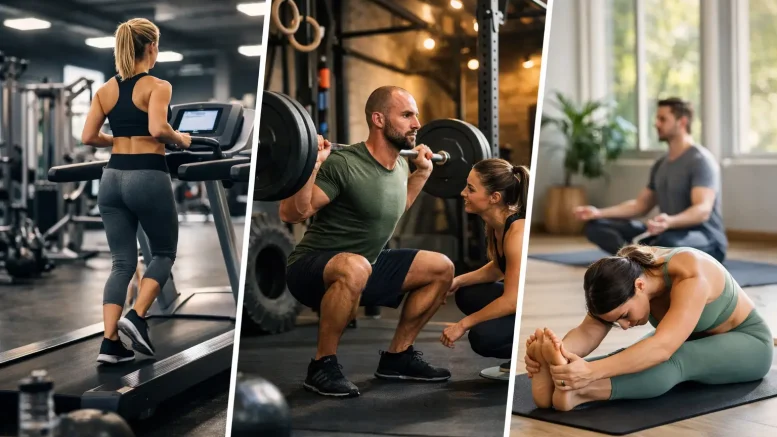
A gym membership is only good value when it becomes part of your week. This Doncaster gyms comparison is designed to help you look beyond the joining offer and find a place that works with your commute, confidence level, fitness goals and budget. From large, equipment-led gyms to friendly independent studios, Doncaster offers options for early risers, parents, students, shift workers and anyone ready to move more.
What to compare when choosing a Doncaster gym
The right gym is rarely the one with the biggest advert. It is the one you can realistically get to on a wet Tuesday evening, where the equipment you need is available, and where the atmosphere makes you want to return.
Start with location. A gym near home can make weekend and evening training easy, while one close to work may suit a lunchtime session or a stop on the way home. Doncaster town centre gyms are often convenient for public transport and shopping trips. Sites around retail parks and main routes may be more practical if you drive, particularly if free parking is included.
Opening hours matter just as much. Twenty-four-hour access can be a real advantage for people working nights, starting early or juggling family commitments. However, a gym with more limited hours may still be a better fit if it has the classes, coaching or community feel that keeps you motivated.
Finally, think about your actual routine rather than an ideal one. If you enjoy classes, do not join an equipment-only gym because it is a few pounds cheaper. If you mainly want a straightforward place for weights and cardio, paying for a large class timetable you will never use may not make sense.
Doncaster gyms comparison by gym type
Budget gyms: flexible and equipment-focused
Budget gyms are a popular choice for members who want accessible monthly pricing, long opening hours and a broad range of cardio and resistance equipment. They tend to suit independent trainers, experienced gym users and anyone who prefers to train at their own pace without a lengthy contract.
The major benefit is flexibility. Many low-cost memberships use rolling monthly payments, and some include app access, introductory workouts or selected classes. You can often expect treadmills, bikes, rowing machines, free weights, fixed-resistance machines and functional training space.
The trade-off is that busy periods can feel busy. Early evenings, Monday mornings and January are usually the times when popular equipment is most in demand. Before joining, visit at the time you expect to train. A gym that looks spacious at 2pm may have a very different feel at 6pm.
Full-service fitness clubs: facilities beyond the gym floor
Full-service clubs usually appeal to members looking for a wider leisure experience. Depending on the venue, that may mean a swimming pool, sauna, steam room, group exercise studios, sports courts, café areas or family facilities. They can be an excellent option if exercise is part of your leisure time or if different people in your household want different activities.
These memberships generally cost more than a basic gym, so value depends on use. A swimmer who visits several times a week may find a pool membership worthwhile. Someone who only uses the treadmill for 40 minutes once a week may not. Check whether classes, parking, guest passes and access to all facilities are included, as these details can change the monthly cost considerably.
For families, ask about junior access, swimming times and whether there are activities during school holidays. A club that gives everyone a reason to go can make keeping active feel far less like another task on the list.
Independent gyms: community, coaching and character
Independent Doncaster gyms often stand out through their personality. Some are built around serious strength training and free weights; others focus on small-group sessions, women-only training, rehabilitation, boxing, functional fitness or personal coaching. The welcome can feel more personal, especially for people who find a large gym floor intimidating.
This category is particularly worth considering if you have a specific aim, such as learning to lift safely, returning after injury, training for an event or building confidence from scratch. Staff may have more time to understand your goals, correct your technique and keep you accountable.
Prices vary. Small-group coaching can cost more than open gym access, but it may offer better value if you would otherwise pay separately for a personal trainer. Ask what is included: initial assessments, programmes, nutrition guidance and regular progress reviews all make a difference.
Boutique studios: classes with a clear focus
Studios offering yoga, Pilates, indoor cycling, dance fitness, boxing or high-intensity sessions provide structure for people who prefer to be coached through every workout. You book a time, arrive, and follow an instructor-led session rather than deciding what to do on the gym floor.
That routine can be ideal for beginners and social exercisers. It is also useful for people who struggle to stay consistent when left to their own devices. The instructor, music and familiar faces can turn exercise into a regular appointment.
The limitation is variety. A specialist studio may be brilliant for mobility, stress relief or cardiovascular fitness, but it might not meet every strength-training goal on its own. Some members combine studio classes with home workouts or an affordable open-gym membership.
Facilities that make a real difference
When comparing facilities, do not be distracted by the longest equipment list. Look for the features that support your training.
For strength training, check the number of squat racks, benches, platforms and dumbbells, as well as whether there is enough room to use them safely. For cardio, consider the condition and availability of treadmills, bikes, cross trainers and rowers. If you are new to exercise, a clear layout and approachable staff can be more useful than having every machine imaginable.
Changing rooms deserve a proper look too. Clean showers, lockers, hairdryers and enough space can make a pre-work or lunchtime workout far more realistic. If you cycle or run to the gym, secure bike storage and a good shower may be decisive.
Accessibility is another practical point. If step-free entry, accessible changing facilities, quieter sessions or adapted equipment would help, contact the gym before committing. A welcoming venue should be able to explain what support and access arrangements it provides.
Membership costs: compare the whole commitment
The headline monthly fee is only one part of a gym membership. Joining fees, annual maintenance charges, cancellation notice periods, locker hire, class upgrades and personal training can all affect the total. Promotional rates are useful, but check what your membership will cost after the introductory period ends.
A no-contract membership gives flexibility if your plans may change, such as students returning home for summer or residents moving house. A longer agreement may reduce the monthly price, but only choose it if you are comfortable with the commitment and understand the cancellation terms.
It is worth asking about off-peak options, student rates, corporate discounts, couples’ packages and family memberships. These are not available everywhere, but they can make a meaningful difference. If you are unsure, calculate the cost per visit based on a realistic number of sessions, not the six workouts a week you hope to do in January.
Try before you commit
A tour is helpful, but a trial session is better. It lets you test the journey, parking, reception experience, changing rooms and the general atmosphere. Notice whether members seem comfortable and whether staff are visible when you need help.
Ask direct questions about peak times, induction requirements, freeze options and how to cancel. If classes are central to your decision, look at the timetable for the days and times you are genuinely free. A brilliant Saturday morning class is not much use if you work every Saturday.
For beginners, an induction should feel encouraging rather than rushed. You should leave knowing how to use key equipment safely and with a simple plan for your first few visits. For experienced gym-goers, confirm that the weights, racks and training space match the way you already train.
Make your choice fit your life
The best result from any Doncaster gyms comparison is not finding the flashiest facility. It is finding a local place where your sessions fit naturally around work, school runs, study, travel and downtime. Choose the gym you will happily visit when motivation is low, set a manageable first-week target, and let consistency do the hard work.