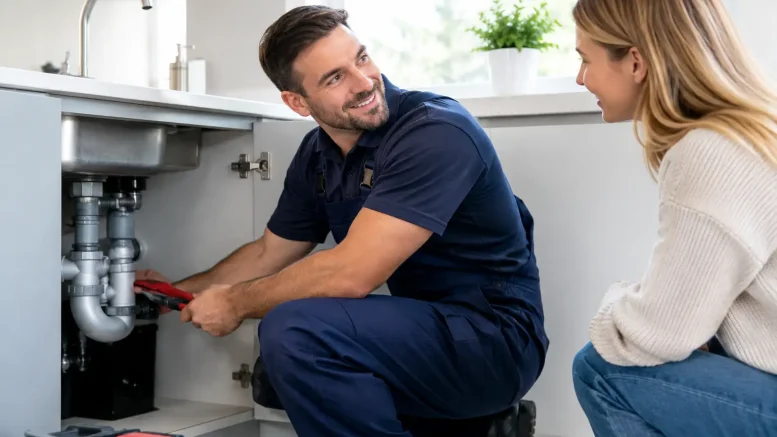
A dripping tap can wait until morning. Water coming through a ceiling, a failed boiler in January or a blocked toilet in a busy family home usually cannot. Knowing how to find Doncaster plumbers before a small problem becomes a costly one gives you more choice, more confidence and a better chance of getting the right repair first time.
Doncaster has a wide range of plumbing and heating businesses, from sole traders serving a handful of local neighbourhoods to larger firms with emergency cover. The best choice depends on the job, your property and how quickly you need help. A plumber who is ideal for fitting a new bathroom may not be the right person for a gas boiler fault at 8pm.
Start with the job, not just the search
Before contacting anyone, take a moment to identify what you need. Is it a leak under the kitchen sink, a radiator that will not heat up, a new shower installation or a full bathroom refurbishment? Clear details help a plumber decide whether they can take on the work and give you a more realistic estimate.
If the issue involves a boiler, gas fire, gas cooker or gas pipework, you need a Gas Safe registered engineer, not simply a general plumber. Ask whether they are qualified for the specific appliance or type of work required. Plumbing and gas work often overlap, but the credentials are not interchangeable.
For an emergency, protect your home while you arrange assistance. Turn off the water supply if it is safe to do so, contain any water you can and switch off electricity in an affected area only if you can reach the consumer unit safely and without stepping near water. Do not attempt a repair that could make the damage worse. When calling, say clearly that the job is urgent and explain whether water is still escaping.
How to find Doncaster plumbers with local knowledge
A local search is a sensible first step, particularly when speed matters. Look for plumbers who state the parts of Doncaster they cover, whether that is the town centre, Bessacarr, Armthorpe, Bentley, Tickhill, Rossington or surrounding villages. A business based nearby may be able to attend sooner, although a wider-area firm can sometimes have more availability or a dedicated emergency team.
Local directories and community recommendations can help you build a shortlist, but treat every recommendation as a starting point rather than a guarantee. A neighbour may have had a great experience with a straightforward tap repair, while your project could involve old pipework, a complicated boiler or a larger renovation. Read recent feedback for jobs similar to yours and look for detail about punctuality, communication, tidiness and how the company dealt with any unexpected issues.
It is also worth checking how easy the business is to contact. A clear telephone number, trading address or service area, professional email address and straightforward description of services are encouraging signs. For non-urgent work, a plumber who returns calls, asks sensible questions and offers a suitable appointment is often easier to work with throughout the job.
Check qualifications, insurance and experience
Price matters, but it should not be the first or only question. Ask whether the plumber holds the right qualifications for the work and whether they have public liability insurance. For gas work, check their Gas Safe registration and make sure the registration covers the appliance in question.
Experience is equally useful for larger jobs. If you are planning a bathroom renovation, ask whether the plumber manages only the plumbing or can coordinate fitting, tiling and other trades. There is no single right answer. Using separate specialists can give you more control over each part of the project, while one company managing the work can simplify scheduling. What matters is that responsibilities, timescales and costs are clear from the outset.
For older homes, ask whether they have worked with ageing pipework, low water pressure or non-standard layouts. Doncaster’s homes range from period terraces to new-build estates, and the practical challenges can be very different. A plumber who asks about the age of the property, existing system and access to pipes is usually trying to avoid surprises rather than overcomplicate the job.
Request a clear quote before work begins
For anything beyond a small, urgent repair, request a written quote. It should explain what work is included, whether materials are included, how labour is charged and whether VAT applies. If a price is only an estimate, ask what could cause it to change and whether the plumber will contact you before carrying out additional work.
Comparing two or three quotes is useful, but only when you are comparing like for like. One may include a new part, disposal of waste and a guarantee, while another covers labour alone. The cheapest figure is not automatically the best value if it leaves essential work or materials unaccounted for.
For emergency call-outs, the final cost can be harder to predict. Ask about the call-out fee, hourly rate, minimum charge and any higher rate for evenings, weekends or bank holidays. A reputable plumber should be able to explain their charging structure before attending, even if the exact repair cannot be priced until they have inspected the problem.
Ask the questions that prevent misunderstandings
A good conversation before booking can save frustration later. Ask when the plumber can attend, how long they expect the work to take and whether you need to provide access to a stopcock, boiler cupboard or loft space. If parts are needed, ask whether they will source them and whether there could be a delay.
For planned installations, find out what guarantee is offered on workmanship and whether manufacturer warranties apply to any products supplied. Keep copies of quotes, invoices and certificates, especially after boiler or gas work. These documents can be useful for servicing, insurance queries and future home sales.
You can also ask how the home will be left at the end of the day. This is particularly relevant for bathroom work or jobs that involve lifting floors, opening walls or replacing pipework. A little clarity about dust, waste and making good helps everyone plan properly.
Be alert to warning signs
Most plumbing businesses work hard to earn local trust, but a few checks can protect you from a poor experience. Be cautious if someone pressures you to make an immediate decision for non-emergency work, refuses to discuss costs, insists on cash only or cannot provide basic business details.
Another warning sign is an unusually low quote with very little explanation. It may be genuine, but it may also exclude materials, certification or work needed to finish the job properly. Ask for the detail in writing rather than relying on a brief verbal promise.
That said, a plumber cannot always diagnose a hidden leak or internal fault without investigating first. A fair tradesperson will explain the uncertainty, agree any diagnostic charge and seek your approval before moving on to extra work. Transparency is more valuable than a promise that sounds too good to be true.
Choose the right fit for your home
Once you have checked credentials, availability and pricing, choose the plumber who communicates clearly and seems suited to the task. For a one-off repair, fast attendance and a transparent charge may be the priority. For a new bathroom or heating upgrade, proven experience, a detailed quote and a realistic schedule often matter more than getting the earliest possible date.
Local services are a big part of everyday life in Doncaster, and finding the right professional should feel straightforward rather than stressful. Keep the number of a reliable plumber once you have found one, along with any certificates and invoices. The next time a washer fails, a radiator goes cold or you are ready to improve your bathroom, you will have a trusted starting point rather than a last-minute search.