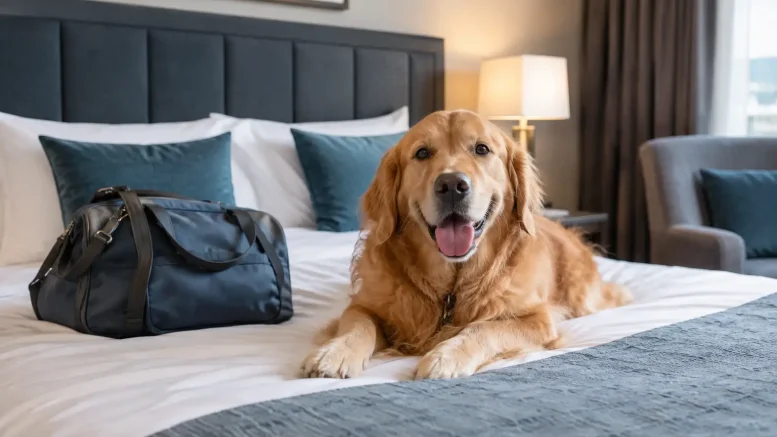
A break in Doncaster is even better when the whole household can come along, muddy paws included. So, do Doncaster hotels allow pets? Many do offer pet-friendly rooms or selected dog-friendly stays, but policies differ widely between properties. The detail that matters is not simply whether pets are accepted, but where they may go, what the extra charge covers and whether the accommodation genuinely suits your dog.
Doncaster makes a practical base for visitors travelling with pets. From green spaces and canal-side strolls to independent places on the edge of town, there are plenty of ways to build a dog-friendly day out. A little checking before you book can mean the difference between an easy short break and a stay full of unexpected restrictions.
Do Doncaster hotels allow pets?
Yes, some hotels in and around Doncaster allow pets, most commonly dogs, although availability is often limited to specific room types. Others may accept assistance dogs only, while some have a strict no-pets policy. Never assume that a hotel described as being near parks or countryside automatically welcomes animals indoors.
Pet-friendly stays are more common at certain country-house hotels, inns, self-catering cottages and serviced accommodation than in every town-centre hotel. That does not make central accommodation impossible, but it can mean fewer rooms are available and more rules apply. If you are travelling for a race day, concert, family celebration or busy weekend, book early and confirm the pet arrangement directly as part of the reservation.
The wording used by accommodation providers can also be misleading if read quickly. “Pets permitted” may mean dogs only. “Dog-friendly rooms” may mean only ground-floor rooms. “Pets by prior arrangement” means you should not arrive expecting the hotel to find a suitable room on the day.
What to check before booking a pet-friendly stay
A quick conversation with the hotel is worth more than relying on a search filter. Booking platforms can be useful for narrowing down options, but hotel policies change, and a listed pet-friendly property may have no suitable rooms left for your dates.
Ask about the room, not just the hotel
Find out exactly which room you will be allocated. Some properties reserve pet stays for particular bedrooms, annexes or ground-floor rooms. This may be ideal for guests needing easy outdoor access, but it could be less suitable if you expected a lift, a bath, a larger room or a quieter location.
Ask whether there is an additional cleaning charge, a nightly pet fee or a refundable deposit. Charges are not necessarily a negative – they may reflect extra cleaning, a dog bed, bowls or treats – but it is better to include them in your budget from the start.
It is also sensible to check the number and size of pets permitted. A hotel that welcomes one small dog may not be able to accommodate two larger dogs. Puppies, breeds with particular needs and pets other than dogs may need individual approval.
Clarify where your dog can go
The biggest restriction is often not the bedroom but the shared areas. Dogs may be welcome in reception and outdoor spaces while being excluded from the restaurant, breakfast room, bar or lounge. Some places offer a designated dog-friendly dining area; others may provide room service or permit dogs on the terrace in suitable weather.
This affects how relaxed your stay will feel. If you are planning an evening meal at the hotel, ask in advance whether your dog can join you and whether a table must be reserved. If dogs cannot be left alone in bedrooms, which is a common rule, you will need to plan meals, visits and activities accordingly.
Check leaving-your-pet-alone rules
Most accommodation providers expect pets to remain supervised. Even a calm dog can become unsettled in an unfamiliar room, especially when it hears corridor noise, other guests or housekeeping. Barking, scratching and damage can result in additional charges and cause problems for nearby guests.
If you need to attend an event where dogs are not permitted, look at local pet-sitting or day-care arrangements before committing to the room. Do not assume the hotel reception can supervise your pet, even for a short period.
Choosing the right part of Doncaster
The best location depends on the kind of break you have planned. A town-centre hotel can be convenient for shops, restaurants, theatres and rail travel, but you may need to walk a little further for a proper morning run around green space. Properties on the outskirts can offer easier parking, more direct access to country walks and a calmer setting for dogs that dislike traffic and busy pavements.
For visitors who want outdoor time close to town, areas around lakes, parkland and the canal network can make a useful starting point. Larger green spaces give dogs room to stretch their legs, though leads may be required in some areas or at particular times of year. Always follow local signage, keep clear of wildlife and be especially considerate around children, cyclists and other dogs.
If your dog enjoys longer walks, Doncaster’s surrounding villages and countryside offer a different pace from the town centre. This can be a lovely option for a weekend break, although it may mean relying on a car for evening dining and attractions. Check parking arrangements, country-lane access and whether wet or muddy dogs are welcome back into the property after a walk.
Plan a dog-friendly Doncaster itinerary
A successful stay is usually built around the moments between attractions: the early walk, a comfortable lunch stop and a place to dry off after rain. Doncaster has plenty to explore, but pet access varies at visitor attractions, shops and indoor venues. Check individual rules before travelling, particularly if a particular museum, heritage site or family attraction is central to your plans.
Outdoor activities are generally easier to organise with a dog. A leisurely walk, a visit to an open green space or time beside the water can create a relaxed day without the pressure of timed entry. For a mixed group, choose one or two pet-free activities and arrange for another adult to spend time with the dog, rather than trying to make every stop work for everyone.
When choosing somewhere to eat, outdoor seating can offer more flexibility, but it is weather-dependent and availability can be limited at busy times. Call ahead if you are travelling at a weekend or during school holidays. A venue that welcomes dogs for coffee may operate different rules for food service or evening bookings.
What’s On In Doncaster can help visitors and residents find ideas for places to eat, things to do and practical local services when planning a stay around the town.
Good pet etiquette makes stays easier for everyone
Pet-friendly accommodation works best when owners treat the room as a shared space rather than a private holiday home. Bring your dog’s usual bedding or blanket so they have a familiar place to settle. Pack towels for wet paws, waste bags, treats, a water bowl and anything that helps your pet relax at night.
Keep your dog on a lead in shared hotel spaces unless staff confirm otherwise. Not every guest will be comfortable around animals, and another dog may be less sociable than yours. Avoid allowing pets on beds or furniture unless the property explicitly permits it, and report any accidental damage promptly.
It is worth considering your dog’s temperament honestly. A bustling hotel with lifts, luggage trolleys, doors opening and closing, and unfamiliar people can be tiring for an anxious pet. In that case, a quieter inn, cottage or rural stay may be the kinder choice, even if it is slightly less convenient for the town centre.
A few final booking questions
Before confirming, make sure you know the pet charge, the room location, the maximum number of pets allowed and the rules for dining areas. Ask about nearby walking routes, access to outdoor space and whether there are any dates when pet stays are unavailable. If you are bringing a large dog, a young puppy or a pet with medical needs, explain this clearly before you pay.
A pet-friendly break in Doncaster does not need to be complicated. Choose accommodation that suits your dog as well as your itinerary, allow time for fresh-air stops, and confirm the small print early. Then you can spend less time solving practical problems and more time enjoying the town together.