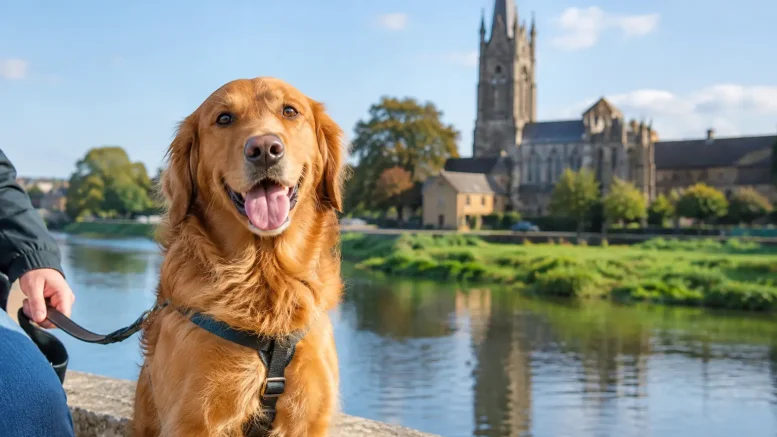
A sunny Saturday can quickly turn into a better day out when the dog comes too. But if you are asking, “are dogs allowed Doncaster attractions?”, the honest answer is: often, but not everywhere – and the rules can vary between the grounds, visitor facilities and indoor areas at the very same venue.
Doncaster has excellent open spaces, historic places and walking routes for four-legged visitors, alongside major attractions where pet dogs are restricted for animal welfare, safety or hygiene reasons. A little planning means less time turning around at the gate and more time enjoying the town and surrounding countryside together.
Are dogs allowed at Doncaster attractions?
Dog access depends on the type of attraction. Public parks, woodland walks and many outdoor heritage grounds are usually the simplest choice, provided dogs are under control and owners clear up after them. Museums, wildlife parks, indoor family attractions and food-led venues are more likely to have restrictions, although assistance dogs are generally welcomed in line with access requirements.
The key distinction is not simply whether an attraction is “dog-friendly”. Ask where your dog is permitted. Some sites welcome dogs in the grounds but not in historic rooms, cafés or play areas. Others may allow them only on a short lead, or ask owners to avoid sensitive wildlife zones.
Policies can also change for special events, busy race days, school holidays or seasonal activities. It is always sensible to check directly with the venue before setting off, particularly if you are travelling into Doncaster for the day.
Best places for a dog-friendly day out
Parks, trails and open spaces
For an easy outing close to town, Doncaster’s parks are often the most reliable option. Sandall Park is a popular choice for a relaxed walk, with paths, open grass and plenty of space to stretch little legs and long legs alike. Keep an eye out for areas used by families, runners and cyclists, especially at weekends.
Lakeside and the wider waterfront paths can also make a pleasant route for a walk, coffee stop and a look around nearby leisure facilities. The setting is more urban than a countryside ramble, so a lead is a sensible idea near roads, shared paths and busy cafés.
If your dog enjoys a longer walk, the Trans Pennine Trail offers a useful way to get out into the local landscape. Choose a section that suits your time and your dog’s fitness, take water during warmer weather, and be prepared for muddy paws after rain. Doncaster’s green spaces are at their best when everyone uses them thoughtfully, so take waste bags and keep dogs close around wildlife and livestock.
Historic sites and heritage grounds
Doncaster’s heritage attractions can be a lovely choice for owners who enjoy combining a walk with local history. At venues such as Brodsworth Hall and Gardens, dog access is typically focused on the outdoor areas rather than the house itself. This gives you the chance to enjoy landscaped grounds and fresh air, while recognising that delicate interiors and visitor facilities may have different rules.
Cusworth Hall and its surrounding parkland is another appealing local option. The grounds can be ideal for a stroll, but dogs may not be able to enter museum areas or specific buildings. If a full indoor visit is the main purpose of your day, it may be better to visit with another person who can take turns with the dog, or choose a purely outdoor plan instead.
Conisbrough Castle is well worth considering for people who want historic surroundings and a short walk. As with many heritage sites, restrictions can apply to enclosed spaces, exhibitions or event days. Checking ahead is particularly useful if you are visiting with children, as you may want to balance the castle visit with a nearby dog walk rather than expecting your pet to join every part of the experience.
Nature reserves and wildlife-rich areas
Nature reserves are not always a straightforward yes for dogs. Potteric Carr Nature Reserve, for example, is valued for its birdlife and habitats, so dog access may be limited to certain paths or controlled carefully. This is not about making a visit less welcoming – it helps protect nesting birds, ground-dwelling wildlife and fragile wetland areas.
Where dogs are permitted at a reserve, use a lead unless clear signage says otherwise. Even a friendly dog can disturb wildlife, and recall is not a substitute for control near waterfowl, grazing animals or busy trails. For owners, the trade-off is simple: you may have fewer off-lead options, but you gain a peaceful, rewarding walk in one of the area’s most distinctive natural settings.
Attractions where pet dogs may not be permitted
Wildlife and animal attractions commonly restrict pet dogs, and for good reason. Yorkshire Wildlife Park is a major Doncaster day out, but the presence of resident animals means visitors should not assume they can bring a pet dog. Assistance dog arrangements can be different, and may involve specific conditions, so contact the attraction before making plans.
Indoor attractions, children’s play centres, museums and many visitor exhibitions may also prohibit dogs other than assistance dogs. Hygiene, space and visitor comfort all play a part. It can be disappointing if you have hoped to bring the whole family, but it is far better to know before you arrive than to leave your dog in the car. Never do this in warm weather, and avoid it at any time if your dog could become distressed or unsafe.
Doncaster Racecourse can have different access rules depending on the fixture, event organiser and areas in use. A quiet exhibition, market or outdoor event may operate differently from a busy race day. If your plan includes the racecourse, treat the individual event listing as the guide rather than relying on a general assumption about the venue.
Make your visit easy for everyone
A good dog-friendly day out starts before you leave home. Check the attraction’s current visitor information, then consider whether your dog will genuinely enjoy the plan. A crowded event with loud music, long queues and little shade may suit people but not a nervous, elderly or very young dog.
Bring the essentials: water and a bowl, poo bags, a lead, a towel for muddy paws and a treat or two for good behaviour. In summer, look for shade and avoid the hottest part of the day. In colder months, a towel is especially useful after a woodland or reservoir-side walk, particularly if you are hoping to stop at a dog-friendly pub or café afterwards.
Be mindful that “dogs welcome” does not automatically mean “dogs off lead”. Keep your dog close around children, cyclists, horses, livestock and other dogs. Do not allow them onto picnic tables, into play areas or near food counters unless the venue explicitly allows it. These small courtesies help keep local places welcoming for dogs in the future.
Planning a dog-friendly Doncaster itinerary
For a simple half-day plan, start with a morning walk at Sandall Park or along a suitable stretch of the Trans Pennine Trail, then choose an outdoor heritage site or a dog-welcoming café with outdoor seating. For a longer visit, build the day around the places your dog can access rather than trying to add them to an indoor attraction that is not designed for pets.
Families can make this work particularly well by mixing activities. One adult can visit an indoor museum display while another takes the dog for a nearby walk, then swap over. This takes a little organisation, but it means nobody has to miss out and the dog gets a calmer break from the crowds.
Doncaster offers plenty of ways to enjoy a day out with your dog, from park paths and historic grounds to countryside trails with room to roam. Check the latest rules, choose an outing that suits your dog’s temperament, and you will be ready to make the most of the area together.